
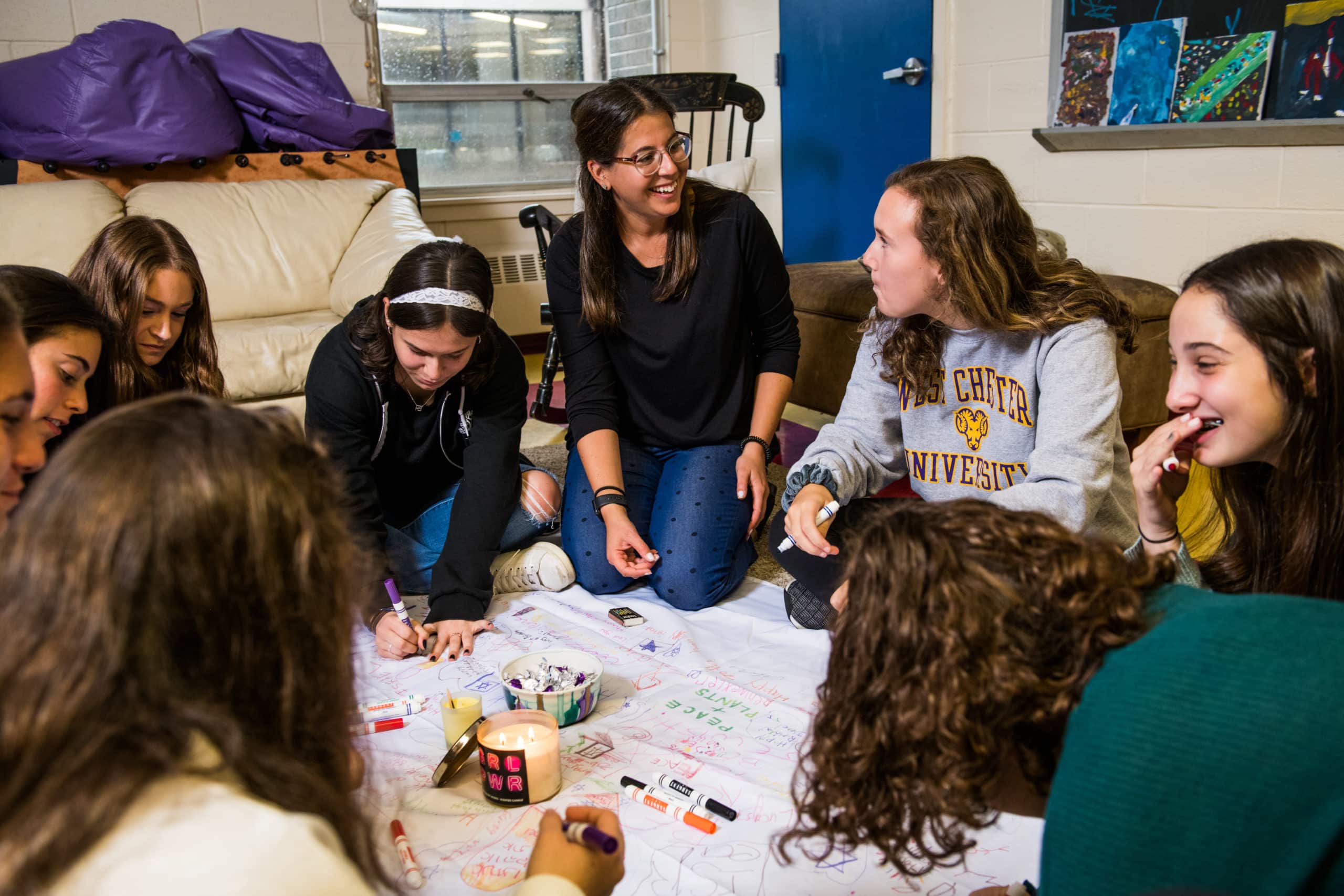
Engaging Jewish youth since 2005
Moving Traditions emboldens Jewish youth to thrive through the pursuit of personal wellbeing (shleimut), caring relationships (hesed), and a Jewish and feminist vision of equity and justice (tzedek). Combining positive psychology with Jewish values, we partner with Jewish institutions across North America to engage Jewish teens, families, and communities.
What We Do
Moving Traditions’ innovative programs provide safe spaces for youth to connect and grow, providing a circle of support for Jewish teens.

B-Mitzvah
A framework for preteen family education, for 5th-7th graders and their parents to explore what it means to become and a parent a teen
Teen Groups
Transformative communities where youth explore who they are through Jewish and gender lenses, together with a trained mentor using a dynamic curriculum

Kulam
A plug-and-play curriculum for educators to use in Hebrew High Schools where teens explore themselves, their relationships, and their communities

Kol Koleinu
NOW ACCEPTING APPLICATIONS!
A fellowship for 9th-12th grade teens to gain confidence, build community, and develop agency as Jewish feminist changemakers
Kumi
NOW ACCEPTING APPLICATIONS!
A unique opportunity for 10th-12th grade Jewish teens to interrupt racism, antisemitism, and other manifestations of oppression
CultureShift
Training for staff who work with Jewish youth at camp and elsewhere about how to navigate gender, healthy boundaries, and more

Insights
All things current from Moving Traditions, including news, resources, responsive curricula and more

Find a Program
With partners throughout the US and Canada, locate a Moving Traditions teen group, B-Mitzvah cohort, or Kulam program near you
Upcoming Events
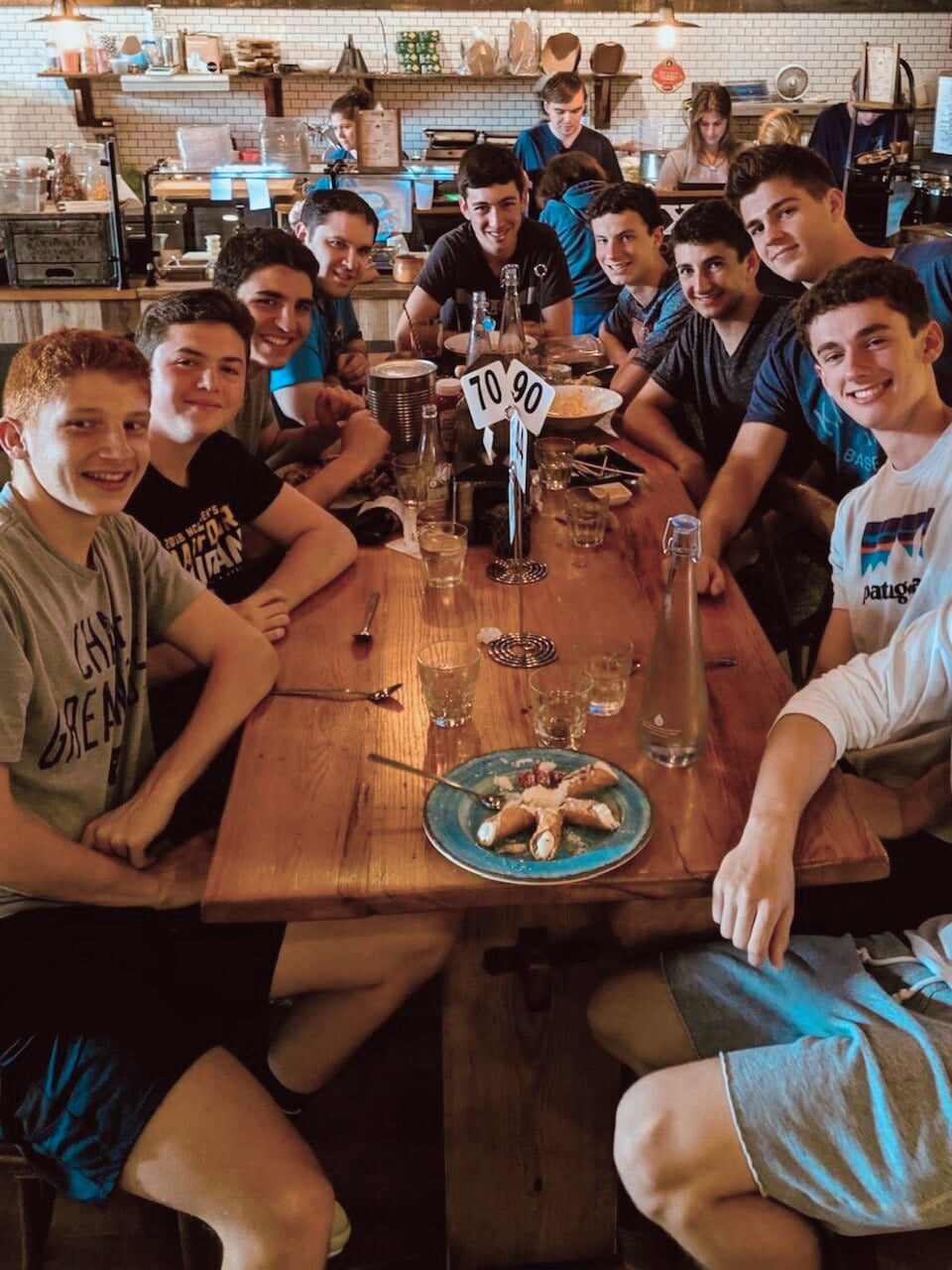
Join us for parent webinars, educator events, and other opportunities to learn and build community.
Training: Shevet @ Camp
Trainees will learn:
Training: Kulam for Campers
Trainees will learn:
Training: CultureShift – Train the Trainer DIY Session
Through CultureShift, Moving Traditions trains staff working with Jewish youth at camp and elsewhere about navigating gender dynamics, setting healthy boundaries, and building caring communities. We offer plug-and-play programs for staff training with activities, materials, and training scripts. Do-It-Yourself Kit: Two staff members attend a training session with other camps and have access to all three units. Training includes highlights of our program activities, best practices, and facilitation tips.
Latest News & Insights
-

Different From All Other Years
Just as Passover is different from all other nights, this year feels different from all other years. We feel caught in the place between our individual wellbeing and the state of our broader people. …
-

In Their Words: How to Build the Next Generation of Jewish Feminist Activists
By Paige GoldMarche The last generation of feminists fought hard for bodily autonomy, reproductive freedoms, and the right for me to marry my wife. Teens today are not guaranteed these freedoms, many …
-

Merkaz Q
Program Overview Merkaz Q is a summer camp experience for LGBTQ+, non-binary or trans teens and allies interested in the intersections of Jewish and LGBTQ+ identities. Learn more about yourself, make …
-
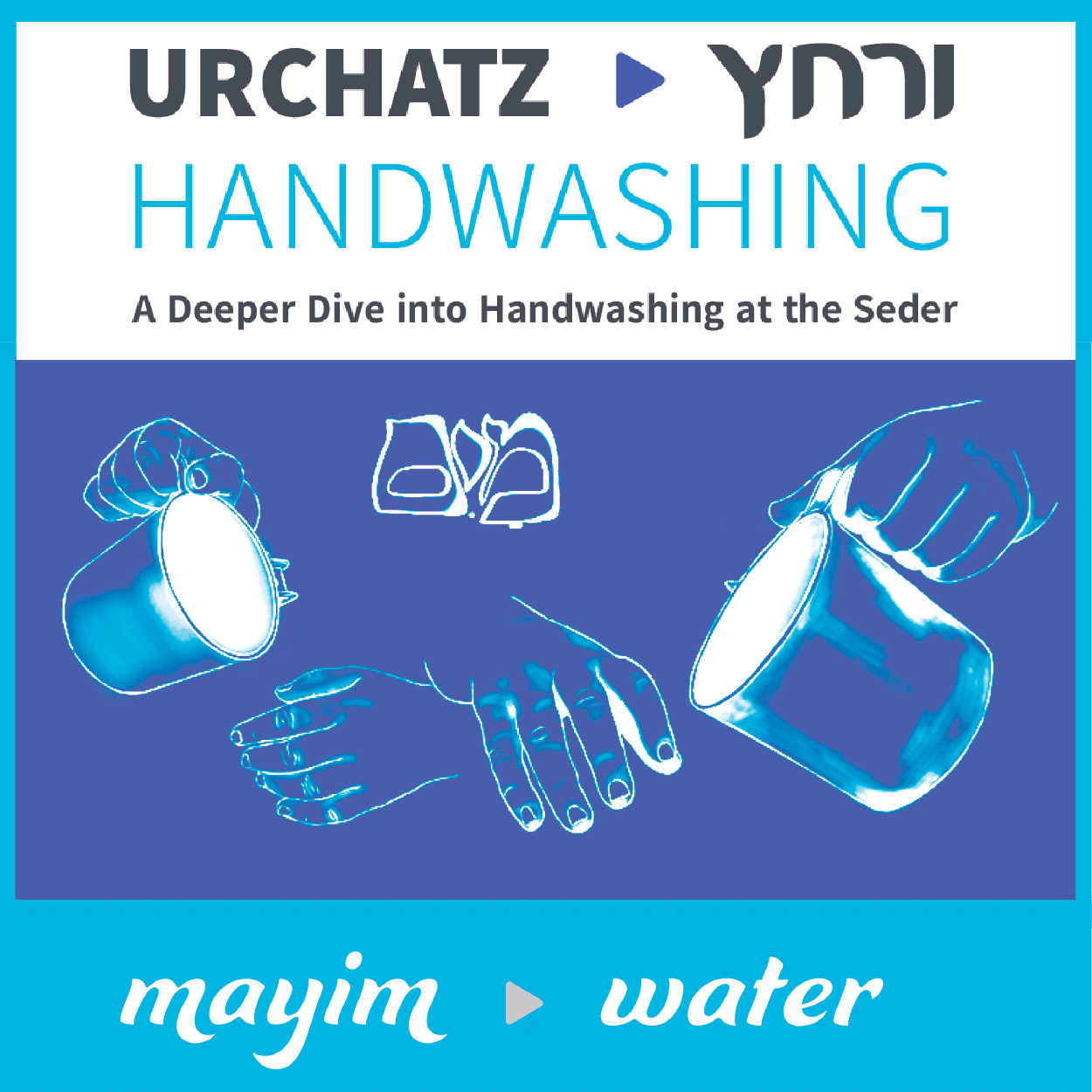
Urchatz: A Deeper Dive into Handwashing at the Seder
This year, Moving Traditions invites you to slow down while you wash your hands at the start of your seder, and contemplate the depth contained in this underappreciated ritual. Handwashing has the p…
How You Can Help
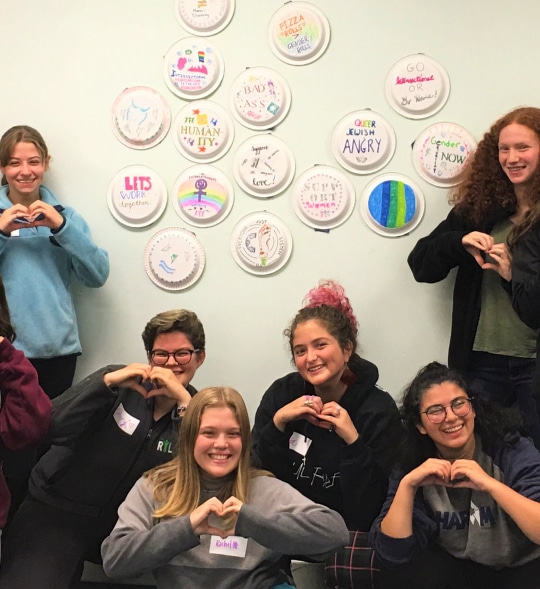
Your gift to Moving Traditions emboldens Jewish youth to thrive through the pursuit of personal wellbeing (shleimut), caring relationships (hesed), and a Jewish and feminist vision of equity and justice (tzedek).