
Helping Teaching Assistants navigate a new setting
Moving Traditions’ Curricular Program for 8th-12th Grade Teaching Assistants (TAs) is designed for those serving in synagogue and other Jewish educational settings, this curriculum includes 13 hands-on, experiential, and engaging sessions to choose from that serve as professional development for teens. Whether you’re working with first-time TAs or returning leaders ready to grow, the program meets them where they are. Some sessions are designed specifically for TAs; others can be facilitated with TAs and teachers together, strengthening the whole educational team.
Topics include empathic listening, clear communication, setting boundaries, giving and receiving feedback, and the power of mentorship. We also explore emotional wellbeing in the classroom, inclusion of diverse learners (including those with disabilities), and how to be “in charge” in the classroom as a fair yet assertive authority figure. TAs are given skills to show up as proactive, caring, Jewish mentors.
Each session is 45-60 minutes and includes guided conversation, personal reflection, and connections to Jewish values that ground their work in meaning. Teens leave with real skills to feel capable, supported, and proud of the responsibility they carry, strengthening not only their classrooms but also their own emerging identities as leaders within Jewish community.
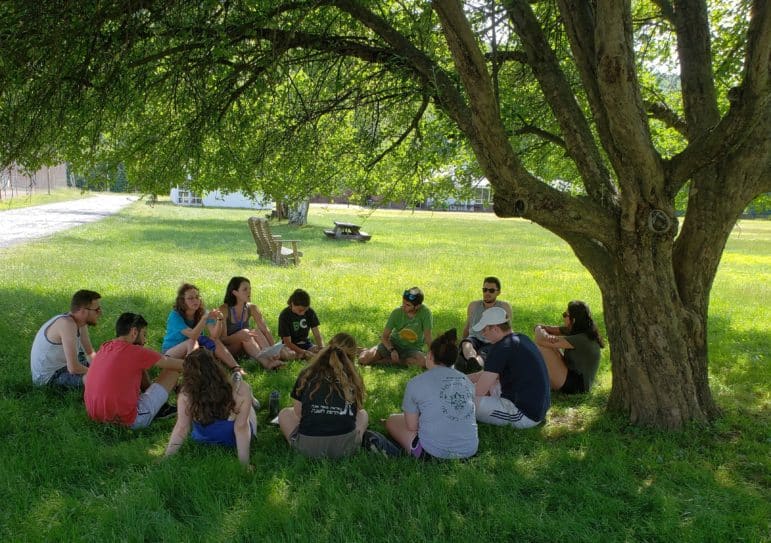
Objectives for the Curricular Program for 8th-12th Grade Teaching Assistants
By the end of the session, Teaching Assistants will:
- Feel better prepared to provide guidance, care and mentorship in their role as TA
- Develop communication skills including how to speak up, actively listen, and give feedback
- Increase and practice skills in de-escalating conflict and boundary-setting
- Understand when to handle a situation and when to ask for help
- Actively participate and share their thoughts with the group
- Better understand the social emotional lives of the children with whom they will be working
Curriculum Outline
Managing Responsibilities: Teaching Assistants (TAs) and Teachers Together
This session holds much of the same content as the Managing Responsibilities session below but is crafted to be facilitated with both the TAs and their Teachers together. We recommend this session be used as an opening for the track.
| Session Title | Purpose | Summary | Objectives |
|---|---|---|---|
| Communication 101 | Help TAs to define their role and develop communication skills * An important first session to introduce the module and manage expectations | Participants begin to explore the expectations of the job, affirm their instincts, and think through how to respond in various scenarios. | — Understand their responsibilities and expectations as a TA — Develop hopes and goals for their work — Feel assured and prepared to serve as a TA |
| Managing Responsibilities | Help TAs to know what their role is and when to ask for help | Participants reflect on their own experiences as students delineating how that is different from being a TA, and evaluate what falls within the scope of their new responsibilities. | — Understand their responsibilities and expectations as a TA — Recognize as a TA when to seek support from a counselor staff member or senior staff member |
| Identifying Stressors | Help TAs to understand the social and emotional lives of students | Participants turn their focus to the children with whom they work and the possible motivations for their behavior. | — Understand different factors influencing their own behavior and children’s behaviors — Use strategies for managing their reactions to children’s behaviors through increased self-awareness and self-regulation — Apply a deeper sense of responsibility for children’s well-being |
| Noticing Yourself and Others | Help TAs understand group dynamics and think through interventions | Participants learn to pay attention to the situation around them as well as what is going on inside themselves, and then take action. | — Notice group dynamics more effectively — Implement ways to redirect group dynamics as needed — Understand their role as a TA to lead a group |
| Personal Boundaries, Communication, and Consent | Help TAs to take steps to set boundaries and be supportive | Through a series of games, participants experience and reflect on three types of physical interactions: Positive, negative and supportive. They practice boundary setting and appropriate physical interactions. | — Explore the concept of personal space and reflect on what happens to personal space in a group setting — Practice navigating the basic elements of positive, physical connection — Role model clear communication and boundary setting — Learn ways to facilitate positive physical connection and boundary setting for others |
| Feedback and Accountability | Help TAs to speak up and take initiative | Participants learn to distinguish between complaining and feedback, and practice how to anticipate problematic situations. | — Develop skills on how and when to offer feedback — Understand their role in proactively addressing issues before they become problems — Explore the new level of accountability that comes with their role |
| De-Escalating Conflict | Help TAs to intervene in conflict | Participants learn how to disrupt behavior and redirect energy. | — Understand the different kinds of conflict that may arise in a group of children — Practice when and how to de-escalate conflict between children — Consider their own intervention style as they explore ways to respond to a child’s behavior |
| Inclusion and Belonging | Help TAs foster an inclusive school environment by recognizing and responding to students’ diverse needs | Participants explore how small, intentional interventions can create a more supportive and accessible space for all students. | — Identify strategies for fostering an inclusive environment for all students — Understand how language shapes inclusion and belonging, and practice using language that encourages a sense of community — Learn a few common accommodations they can offer students with disabilities or any student needing support |
| Emotional Well-Being | Help TAs understand the factors that promote emotional well-being in themselves and their students | Participants explore strategies to support students’ emotional well-being and create a positive, supportive environment. | — Learn how one’s well-being impacts the school experience — Reflect on emotional “baggage” that students may be bringing with them — Gain tools to promote a culture of well-being in their school communities |
| Building Jewish Identity in Kids | Help TAs understand their power as Jewish role models for their students | Participants learn how children absorb values through observation, set goals for themselves as role models, and affirm their own Jewish identity, whatever that might look like. | — Explore aspects of their own complex identities, Jewish and otherwise, including key role models who have shaped or strengthened it — Recognize the influential role they play as Jewish role models for the children they work with — Set intentions for expressing and embodying their Jewish identity and values when working with younger children |
| You’re in Charge! | Help TAs feel confident stepping into a role of authority | Participants learn strategies for supporting positive and productive student behaviors. | — Feel more comfortable stepping into the role of an authority figure — Understand what behaviors they are expected to manage and/or discipline — Gain practical tools for being a fair, effective leader in the classroom |
| Zones of Learning: Comfort, Stretch, and Panic | Help TAs build their skills as educators by exploring what it means to grow, stretch, and challenge both themselves and their students | Participants explore to what extent learning and growing should feel challenging, and why. | — Understand the concept of comfort, stretch, and panic zones as they relate to growth and learning — Be able to recognize what these zones might look or feel like for themselves and their students — Explore Jewish wisdom on balancing between the zones — Set stretch goals for themselves as a TA |
| Siyyum Celebration | Help TAs to reflect on all they have learned and celebrate | This session celebrates successes so far and makes plans for ongoing learning. | — Name some of the skills they have acquired in the TA program — Discuss ways to continue growing and learning — Mark the moment of stepping into leadership |
– Angie Saltzman, Education Director in Michigan
The curriculum is uniting my Teaching Assistants and I. When completing lessons they are engaged and sharing experiences with a common language to use when discussing classroom situations. This program has helped my Teaching Assistants be more comfortable in the classroom supporting students. It has built up their confidence to handle classroom situations. They are asking good questions when working in the classrooms and during trainings.
Funding Partners


Donate
Your gift to Moving Traditions emboldens Jewish youth to thrive through the pursuit of personal wellbeing (shleimut), caring relationships (hesed), and a Jewish and feminist vision of equity and justice (tzedek).