


Embodying Sukkot:
A Body Scan Through the Four Species
Directions
The Torah tells us “Ul’kakh’tem la’khem,” “you should take for yourself” a lulav and etrog, leading the Rabbis to interpret that each person has an individual and personal responsibility to shake their own lulav.
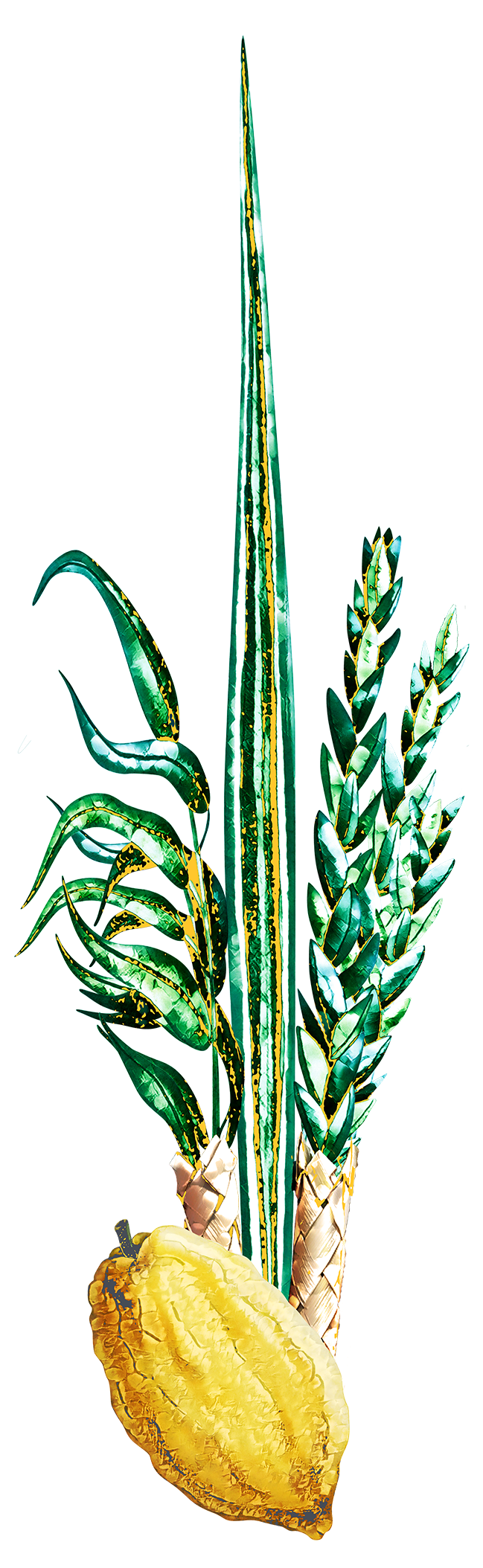
In this activity, Moving Traditions offers you an invitation to lean into the individual elements of the holiday through the symbolism of the four species—etrog, palm, myrtle and willow (which make up the lulav). According to tradition, each of these symbolic species is connected to parts of the human body, with the etrog referring to the heart, the palm referring to the backbone, the myrtle referring to the eyes, and the willow representing the lips (Sefer HaChinukh #324).
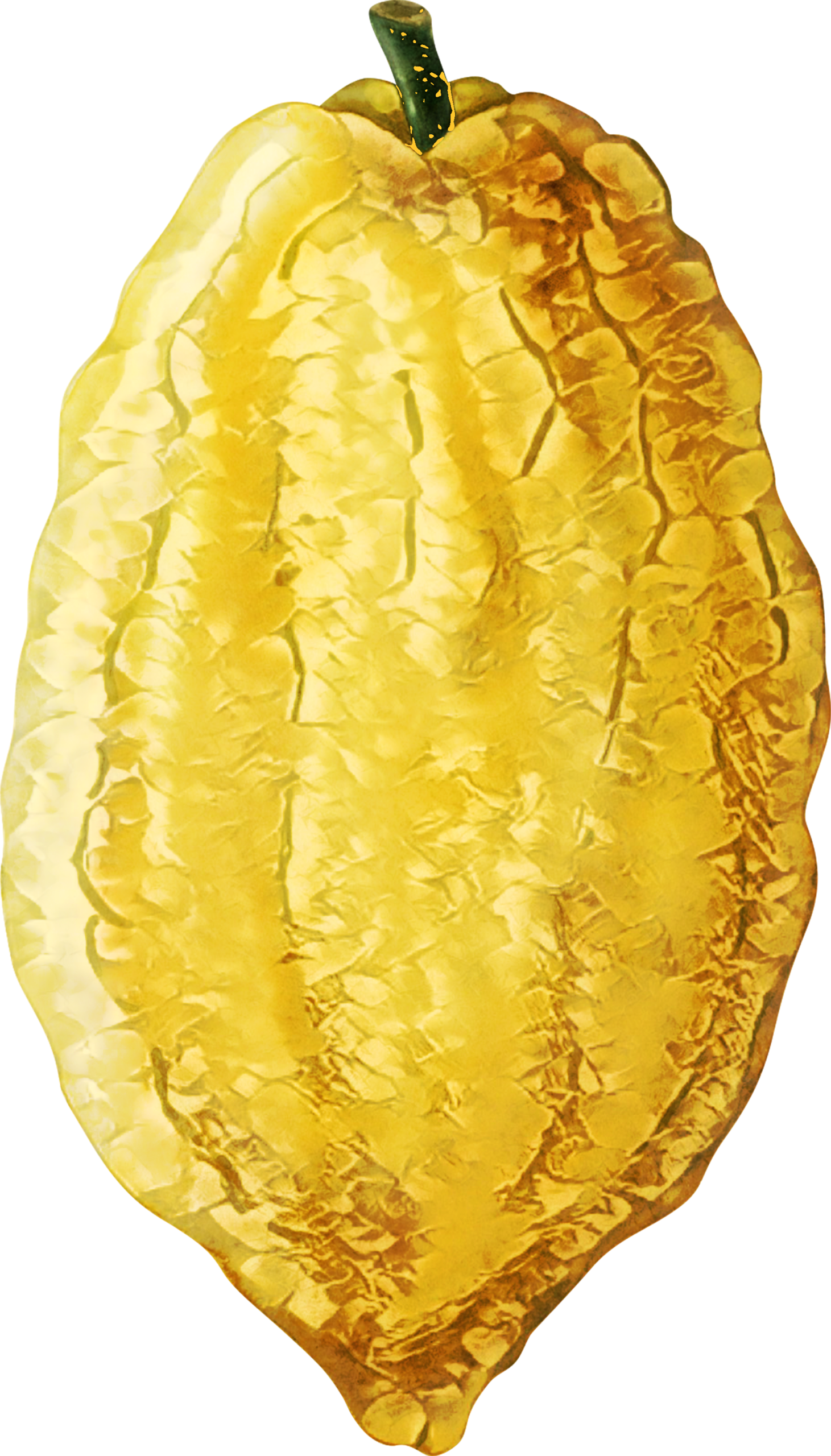
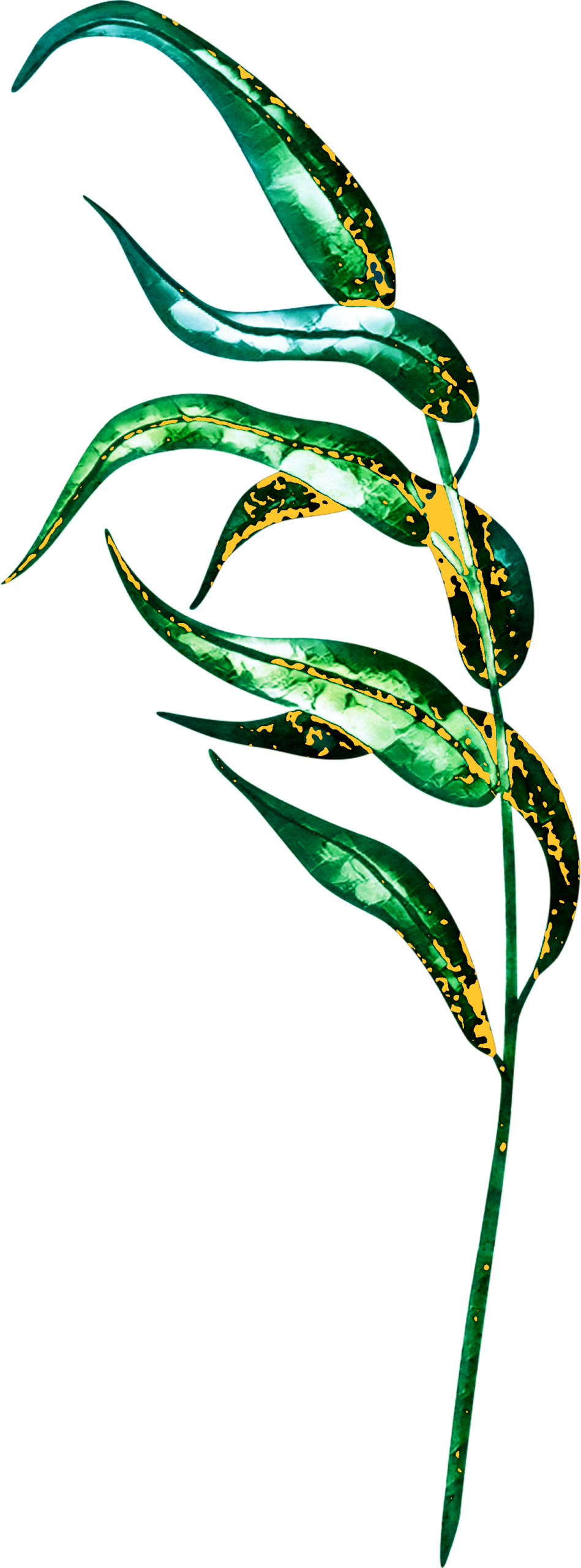
During this activity, find a comfortable place in your sukkah or somewhere serene. If you have a lulav and etrog available, have them with you. If not, that is okay; please use the pictures provided as guiding imagery. Take your time to let in your thoughts and emotions without judgment. Feel free to simply let these questions guide your thoughts, grab a pencil and paper to write or use these as a guide to discussion with your family.
Etrog
Citron • אתרוג
Etrog represents the heart, a center of understanding and love.
- How do you wish to spread love during this High Holiday season and throughout the new year?
- How can the love symbolized by the etrog encourage acts of hesed (kindness)?

Myrtle
Hadas • הדס
Myrtle represents the eyes, enlightenment, and what we can see in the world around us, both beautiful and disheartening.
- What have you seen or found enlightening that you wish to carry with you into this joyful season and throughout the year?
- How might we learn from what we see to build a more just world for all?

Palm
Lulav • לולב
Palm represents the backbone and uprightness.
- In our tumultuous and polarized world, what do you wish to stick up for? Tzedek (justice) can be achieved through action, a kind word, increased awareness and more.
- What concrete steps might you take toward tzedek, to stand up for what you believe in, in this new year?
Willow
Aravah • ערבה
Willow represents the lips, used for communication. The imagery of the willow can inspire us to speak into the world the things we wish to see.
- Who in your life do you wish to communicate with more or less regularly this year?
- How can you use your words to communicate values you hold dear?
Find more holiday resources at MovingTraditions.org.