


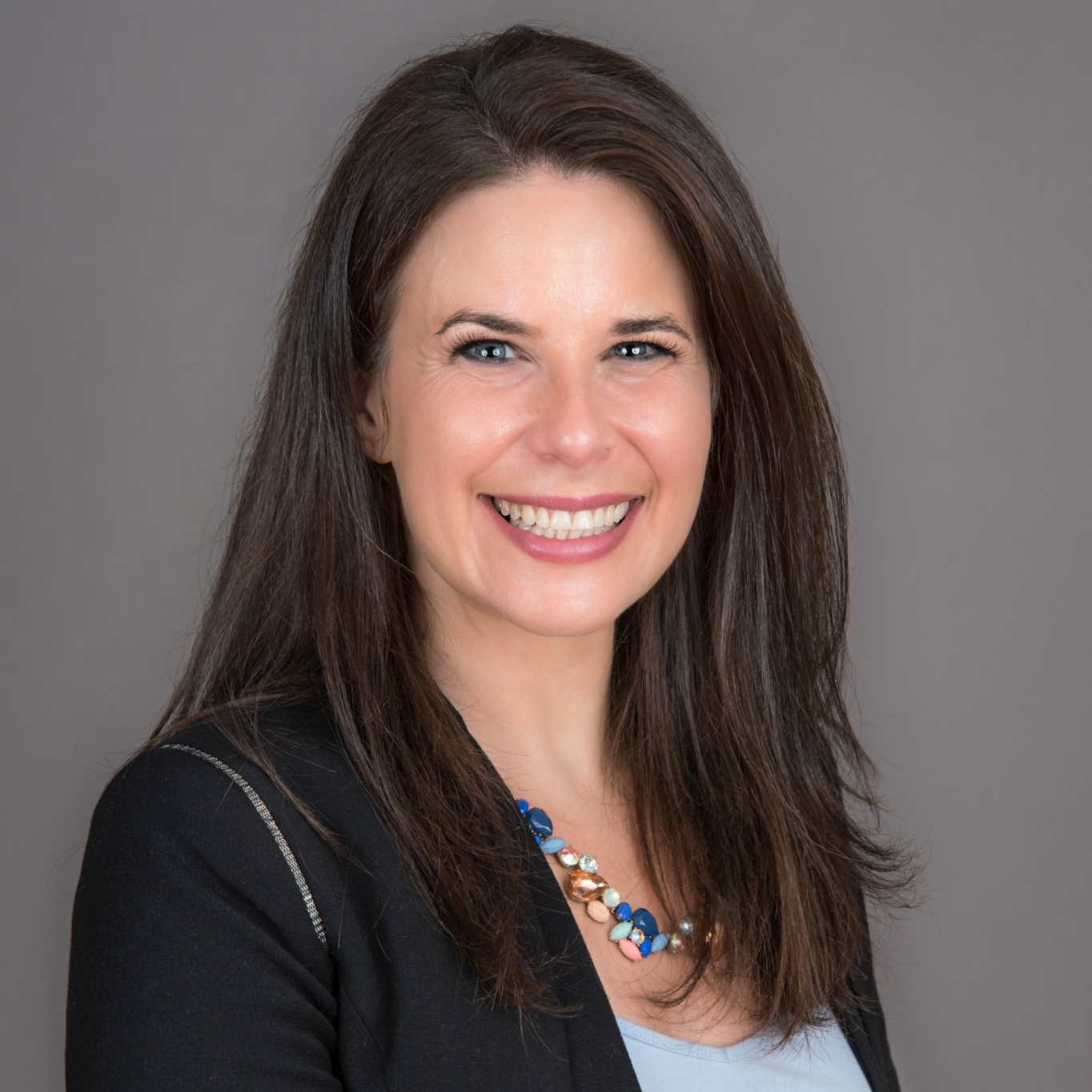
By Shuli Karkowsky, CEO of Moving Traditions
One of the things that has remained consistent through Moving Traditions’ 21-year history – through leadership transitions, board successions, strategic plans, and new program launches – is this: about once a month, someone calls trying to hire a moving company.
It begs the question: Why are we named Moving Traditions?
Though I was not in the room when the organization was named, the name resonates with meaning for me. First, we are an organization that seeks to imbue Jewish text and traditions with the emotional resonance that will move young people to feel connected: to each other, to Jewish peoplehood, and to building a better world.
Second, we also want to create traditions that move. Though the canon of Jewish thought is ancient, it is also ever-evolving. In fact, the word halacha—often translated as the fixed body of Jewish law—actually comes from the same root as halach: to walk, to journey, to be in process.
As the world changes, we empower young people to move our ancient tradition forward with it. We want every young person to know they are part of the Jewish story, and that they therefore hold both the power and the responsibility to keep writing it. That ongoing rewriting and reinvention is the very thing that has kept the tradition alive for more than five millennia.
As America celebrates its 250th anniversary, this feels like another opportunity to hold the sacred gift of history along with our sacred responsibility of evolving it. I feel gratitude every day for this “new country” that has found the stability to age and grow into its third century of life. And yet, America’s is a story that is still being written, that still desperately needs the voices of young people to keep shaping it for the better.
What does that look like for Moving Traditions? Two specific stories come to mind.
The first story is from one of our Meyer-Gottesman Immersive Teen Experiences, at a Kumi Justice Retreat in Washington, DC. On Saturday evening, the cohort of teens from incredibly different backgrounds gathered at the Albert Einstein Memorial to mark Havdalah—the ritual that closes Shabbat and turns us back toward the week ahead.
In the planning stages for the retreat, our staff felt some fear. Would it be okay to gather for a Jewish ritual outside? Was it still a safe choice in 2026 with antisemitism on the rise and racism a constant threat?
At the Einstein Memorial – the only National Mall memorial created to remember a Jew, and the only that invites touch – the teens took out a braided candle, spices and grape juice. They also quickly loosened up, starting to climb on Einstein and sit on his shoulders.
There was something about the difference of this memorial – a Jewish man with a smile, so human, and humbly posed that invited touch and connected and right away put the teens and the staff at ease. Unlike the rest of the monuments we saw that evening, Einstein invited us close. His story, as a refugee from Nazi-occupied Europe also poignantly welcomed the group to hold out gratitude and hope for a welcoming America; they lit the candle and began to sing.
It was a profoundly American Jewish moment: an ancient ritual, led and reimagined in the voices of these young people, in the heart of the country they are helping to shape.
The second story comes from our Curricular Programs, from the Kehiloft Teen Leadership Group of Congregation Kehilat Shalom in Belle Mead, NJ, where students were using Moving Traditions’ 8th-12th grade to discuss their personal experiences of antisemitism. Some had overheard casual antisemitic thoughts shared with a classmate; some were asked insensitive question about Jewish stereotypes; and others discussed language that blamed the Jewish people, writ large, for what ongoing conflict and death in the Middle East.
The Moving Traditions curriculum walked the students through the three traditional sections of prayer: shevach (praise); bakasha (request), and hodaya (gratitude), and invited the teens to write their own prayer. Here is what they wrote. It has since been added to the congregation’s liturgy, recited when the teens lead monthly services:
Kehiloft’s Prayer for Israel, the World, and Ourselves
As we sit here in the comfort of our synagogue, we feel connected to something bigger than ourselves (shevach)- literally being here at CKS. Being here, somewhere where we feel safe and unashamed. With people we have known for 2 months, and people we have known for years, but provide us a community and shelter from divisiveness and distrust.
Please (bakasha), we need a world where it is okay to wear clothes and jewelry with Hebrew or Jewish symbols and not feel nervous or afraid. Where people have the freedom to express themselves and stop feeling worried or ashamed about being Jewish or for loving Israel.
We have gratitude (hodayah) that we Kehilofters have a place to go to express our feelings and not be judged by one another, but feel heard. We may not agree with everything everyone says but we are happy to be heard, happy to be listened to and happy to be loved.
Amen
In both stories, it is the juxtaposition of old and new, the anchoring of the modern Jewish experience in that which is ancient, that makes both resonate. It brings to mind one of my favorite parts of the shemoneh esrei, the silent meditation that is part of almost all Jewish prayer services. It begins with a blessing to “eloheinu v’elohei avoteinu v’imotieinu,” my god and the god of my ancestors, repeatedly including both descriptors of god as our own and belonging to the people who came before us. Why both? If I prayed to a god that was only my god, it would lack the roots, the depth, that we need for it to last generations. And if it were only the god of my ancestors, it wouldn’t be my god – it wouldn’t be my tradition to shape and make my own to carry into the future.
Even our ancient liturgists understand that to be perpetual, we need ancient tradition, and we also need it to move.
As we wrap up Moving Traditions’ 2025-26 program year, review the lessons learned from evaluations, and dive into to the next program year, that spirit is everywhere in our work. These are only a few of the moments that moved us this year. We’ll share the fuller picture—the data, the stories, and the real impact of this work—in our Annual Report this fall. And as we look ahead, we’ve begun a new strategic planning process to carry the work forward into our next chapter. There is so much more to come.
Thank you for staying connected with us, partnering with us, and supporting our work to help Jewish youth discover who they are and who they want to be.
For now, on the occasion of America’s 250th, I invite you to mark this moment by writing your own prayer for America with the teen in your life using Moving Traditions’ activity: Your Prayer for America. No matter how you are feeling in this moment, may it be an opportunity to move closer with your teen as you reflect and look toward a brighter future.